
Boundaries are often misunderstood as restrictions — as something that limits us or keeps us from connection. But healthy boundaries don’t just protect us; they make growth possible.
In experiential education, there’s a concept that describes this beautifully: the Comfort Zone, Learning Zone, and Danger Zone.
- The Comfort Zone feels easy and familiar — it’s safe, but there’s little stretch.
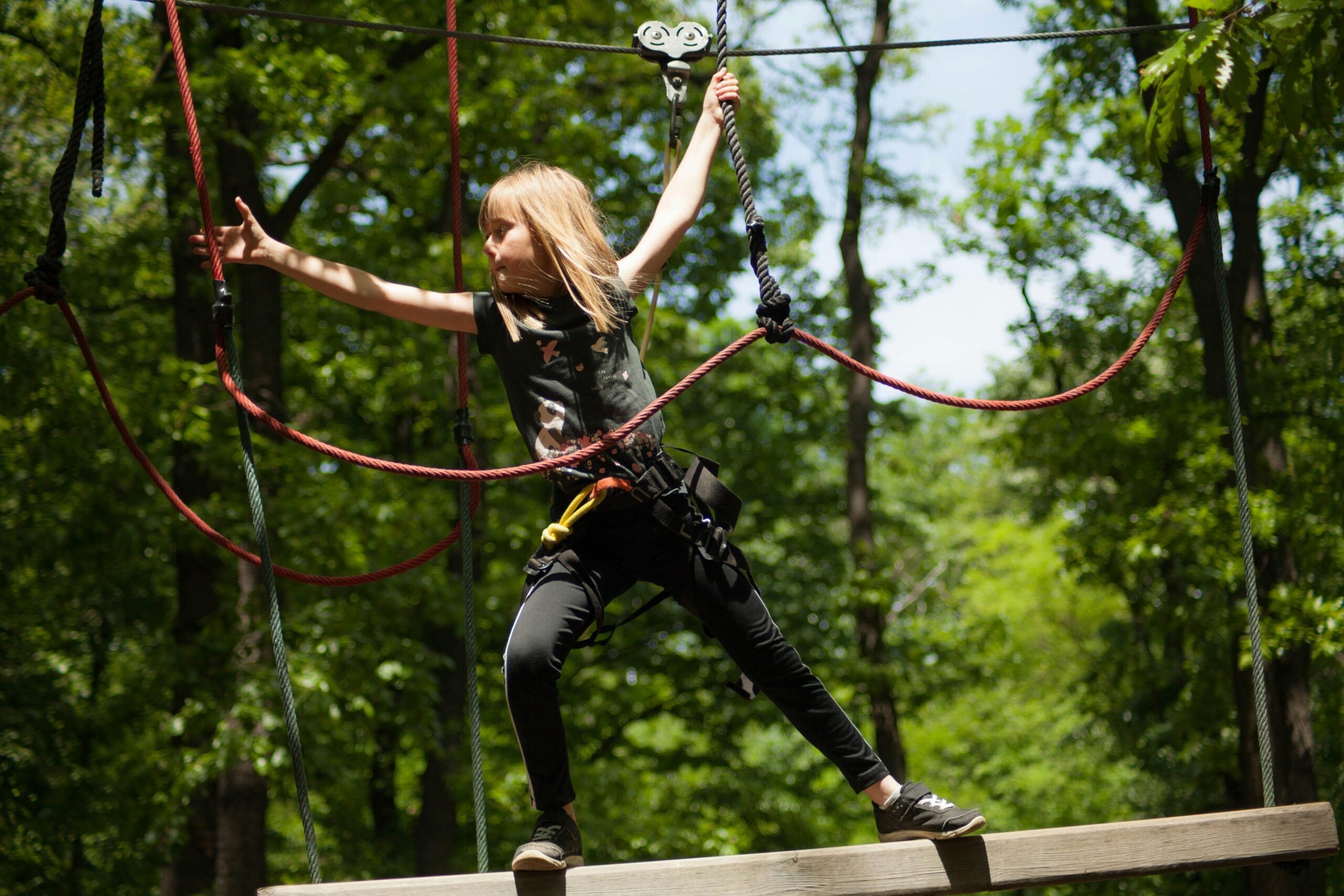
- The Learning Zone is where challenge and curiosity meet — we’re stretched, but not overwhelmed.
- The Danger Zone is where things feel unsafe or too far beyond our current capacity — and real learning can shut down there.
Boundaries help define and protect these zones.
For children, predictable limits and clear expectations create the safety of the comfort zone, while encouragement and trust expand the learning zone. When adults model firm but flexible boundaries — “I’m here, I’ll support you, and I also trust you to try” — they help children explore safely and recover from mistakes. Research in positive psychology and growth mindset echoes this: learning happens best when we feel both supported and challenged.
And here’s the part that often gets overlooked — it’s much easier to be curious when you feel safe, rested, and cared for. When basic needs are met, when emotional safety is present, the brain is more open to exploration. Curiosity and creativity thrive in that middle space — not in chaos or exhaustion, but in stability with just enough stretch.
The same applies to adults. Our boundaries shape the conditions in which we can stretch and grow without slipping into burnout or resentment. In the workplace, in relationships, or even in personal development, clear limits protect our emotional energy and focus. They let us take risks that align with our values rather than reacting from fear or obligation.
Brené Brown calls this kind of clarity an act of kindness — “clear is kind.” And Nedra Glover Tawwab reminds us that boundaries aren’t barriers; they’re guidelines for healthy interaction. They define where our comfort ends, where learning begins, and where danger must be acknowledged.
The tricky part is that growth often requires us to redraw those lines. What once felt dangerous may now be a healthy challenge. And sometimes, something that used to be a learning edge becomes overwhelming — and needs more distance or protection.
So boundaries aren’t fixed. They shift as we do. The real work is noticing:
- Where am I too comfortable to grow?
- Where am I overextended or unsafe?
- And what boundaries could help me stay present in the learning zone?
When we get intentional about those questions — for ourselves, our children, or our teams — we create conditions for sustainable growth. Not the kind that burns us out, but the kind that builds resilience, confidence, and capacity.
Because ultimately, boundaries aren’t about saying “no” to growth — they’re what make growth possible.